
Friday, 5 March 2010

Thursday, 4 March 2010
Story board for opening 2 minutes


- David Huxford
Brief - Overview of storyline, Inital Ideas, Characters and Conventions
Our ideas for the open
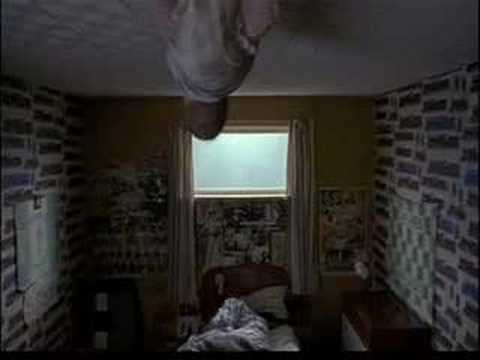 ing of our thriller came from a variety of places. The idea to include a bed in a rough looking room came from ‘Trainspotting’ (Dir. Danny Boyle, 1995), where Mark Renton is trying to get off heroin and has many hallucinations from the bed. We thought this was a very freaky scene and grabbed audience attention straight away. The use of camera shots here also influenced us, as many unusual shots are used, something that we wanted to incorporate in our film.

Another film we found influences from was ‘Se7en’ (Dir. David Fincher, 1995). Throughout the film, the settings are plunged into darkness, creating a sense of tension and fear, making the audience wonder what will happen next and what twists will be revealed. We liked this as a group because we felt it created a fearful atmosphere, and made the audience feel on edge, something we want to emulate in our thriller.
One films character we got ideas from was ‘The Machinist’ (Dir. Brad Anderson, 2004) where throughout the film, the main character Trevor Reznik has a state of psychological unease, and his life seems frazzled and uncertain. We believed this state of mind was very interesting, and made the audience question reality and wonder why Trevor is feeling this way. These are the kind of enigmas we want to create in our film, to make the audience wonder and want to find out more as they keep watching.
We decided to use male characters in our film since the settings and themes that we will use are usually associated with male lifestyles, and we believe that using keeping with tradition and using men will appeal to the audience more, and will hopefully make people want to see our film. If we had used female characters, though it would have been an interesting conception, we felt that using female characters did not match the atmosphere we were looking to establish in the opening two minutes of our thriller.
Our main character clothing and features will be of someone that is not doing very well in life, and is struggling to get by. His look will be very scruffy, and he will look very tired
 and hurt. This will make the audience wonder and worry about him, and make them ask why he is this way. With torn clothes, and things that are too big for him, this character will look weak and vulnerable, a feeling that everyone gets some time. This will allow the audience to connect with him and attach themselves to him. We also took influence from the character Charlie Fineman from the film 'Reign Over Me' (Dir. Mike Binder, 2007). Though not a thriller film, this character is struggling in life and is very alone, with no one to confide in. These issues and mannerisms make the audience feel for this character, and root for him throughout the film. These are similar feeling we would like to convey for our main character in our thriller film.
The other chara
 cter in the scene, the figure in the doorway will be very different to the other man. He will be almost the opposite, in a very smart suit and looking very elegant. He could almost represent what the other man wishes he was. Most people know someone that is very smart and doing better than they are, so audience members will instantly think that he is someone that cannot be trusted, since he seems very out of place in this particular setting.
There will be a few conventions that we will incorporate into our thriller. Our firs
 t shot immediately shows a death, something which is usually expected in thrillers, especially psychological ones, which ours leans towards. Another convention that we will use is the rough looking characters. Many thrillers have unstable main characters, such as’ Donnie Darko’ (Dir. Richard Kelly, 2001) and ‘The Butterfly Effect’ (Dir. Eric Bress and J. Mackye Gruber, 2004) . These characters are ones that the audience expects to see, so having a similar one in our film will hopefully make the audience know they are watching a thriller and know what emotions to feel. Also, many thrillers have a character that is very elegant and smart, like our other character. Thrillers like ‘Collateral’ (Dir. Michael Mann, 2005) and ‘M
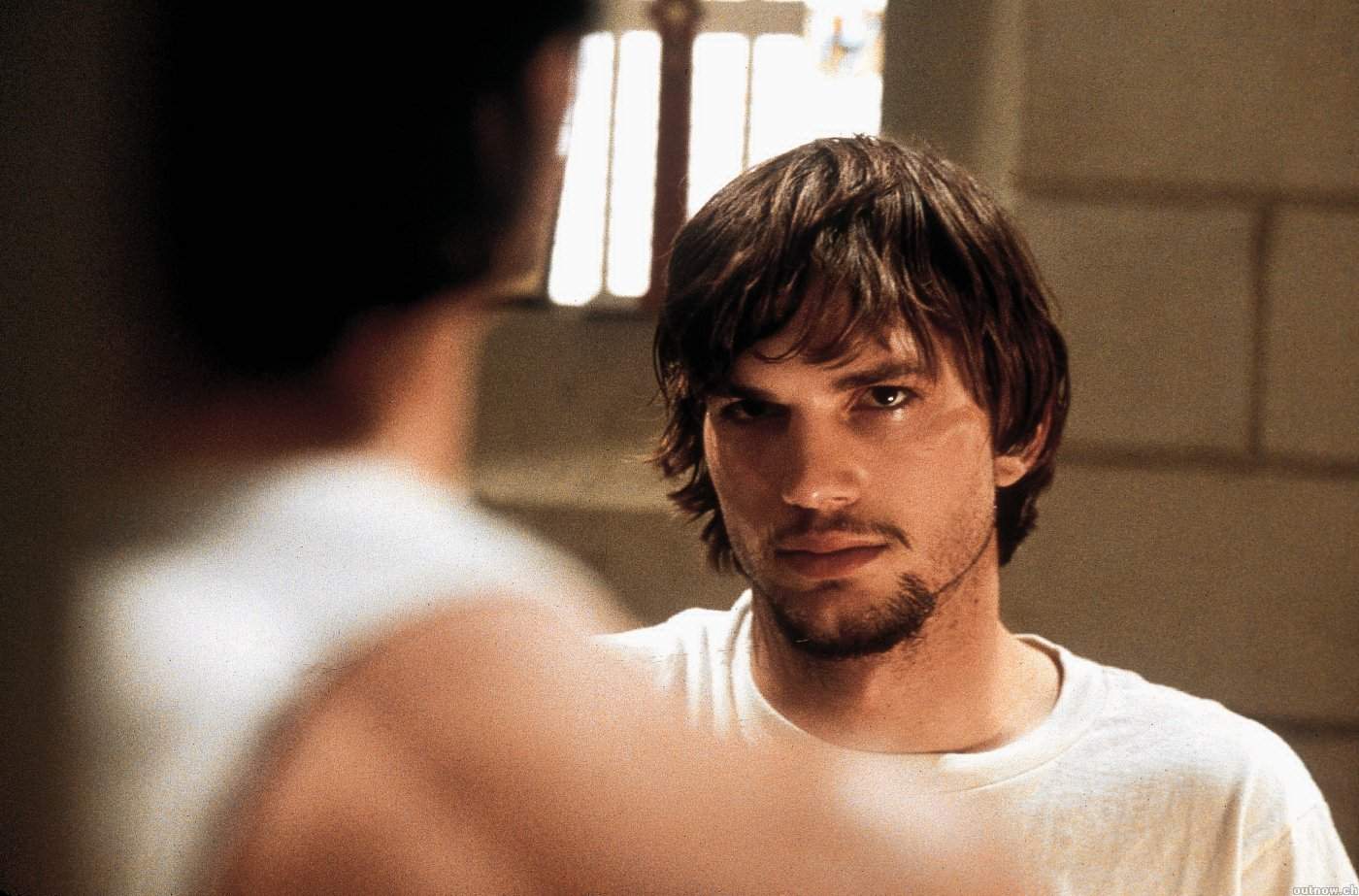 an On Fire’ (Dir. Tony Scott, 2004) have characters that wear smart clothes in places that usually wouldn’t expect to see such neat clothing. This makes the audience wonder and want to watch more, to find out more about these particular characters. Another convention that we will be using is the use of a very beaten down and rough setting. Many thrillers use settings like this, to create a sense of fear and worry. We believe that using this setting will help the audience recognise that this is a thriller film, and it will then allow us to concentrate on advertising to our target market using these typical thriller conventions.
- Taylor Gladwin
Rating for our Thriller
This was because our thriller doesn’t have much 18 rated film ideology, such as sex and use of drugs. However, it should contain pieces of moderate swearing and violence which classes it as a 15. Collateral (Michael Mann, 2004), Donnie Darko (Richard Kelly, 2001), Inside Man (Spike Lee, 2006) and Memento (Christopher Nolan, 2000) are all 15 rated thrillers, but based on the films given, some of the best thriller films are rated 15, giving us more inspiration for the begin and the metaphoric conclusion of it. These are the reasons our film is rated 15.
- David Huxford

Tuesday, 2 March 2010
Location Hunting
 This location is perfect for creating a sense of isolation for a specific character. As we know the house has been abandoned and trashed so there is nothing that will convince the audience that the character is an every day normal guy. Also in the garden of the abandoned house there are water lily’s in the garden by a pond, the scientific name for these are nymphia which could also be a very good name for the title of a thriller. It is also very contrapuntal in relation to the state of the house and the main characters state of mind.

This would be a good location to use because it is so messed up. It is obvious that there can’t be any body using this bathroom because the sink it smashed and the bath has shattered tiles and glass in it. This would be a good room to use because it shows that the character does not care about hygiene or what people think about him. This could also be used if in the film the character is rehabilitating from his way of living.

This room was the largest of the house. When we walked in there was Christmas cards, checks written out and postcards. We did not plan this but was a bit scary as these are the type of things you would expect to find in a thriller movie. The room is also very good to use because it is spacious which may indicate feelings of the character.

The living room is a good room to use because it is very open and very well lit because most of the boards have been taken down from the doors and windows.

The basement would be a good place to use because it looks very damp and depressing. This would help create a sense of depression or metal illness.
-Bradley Hart
Location hunting
 This picture that we took of the wall gives us a good background for the scene we are trying to create. The burnt wall suggests that the scene which we are trying to put across to the viewer is ‘damaged and burnt’. The burn creates a metaphor for the character in the scene, showing that he’s life and living conditions is messed up and strange. If we decided to use this location then we would put this part of the wall in the background in one of the clips.

The holes in the roof suggest damage. If we decided to add this into our film then we could include this as the main character looks up. The holes would suggest that the character’s living style is not normal because this is not something that would be in a normal house.

Location Hunting


The huge holes in the door remind us of other similar films held in a house such as ‘The Shining’ (Dir. Stanley Kubrick, 1980) where Jack Nicholson’s character goes mad. The holes also show a sign of madness, and that the house has not been cared for very well. The holes in the doors symbolize that a person living here does not care about protection or the well being of the house.
-Taylor Gladwin